BIOSPHERE & HYDROSPHERE REFERENCE
|
|
|
|
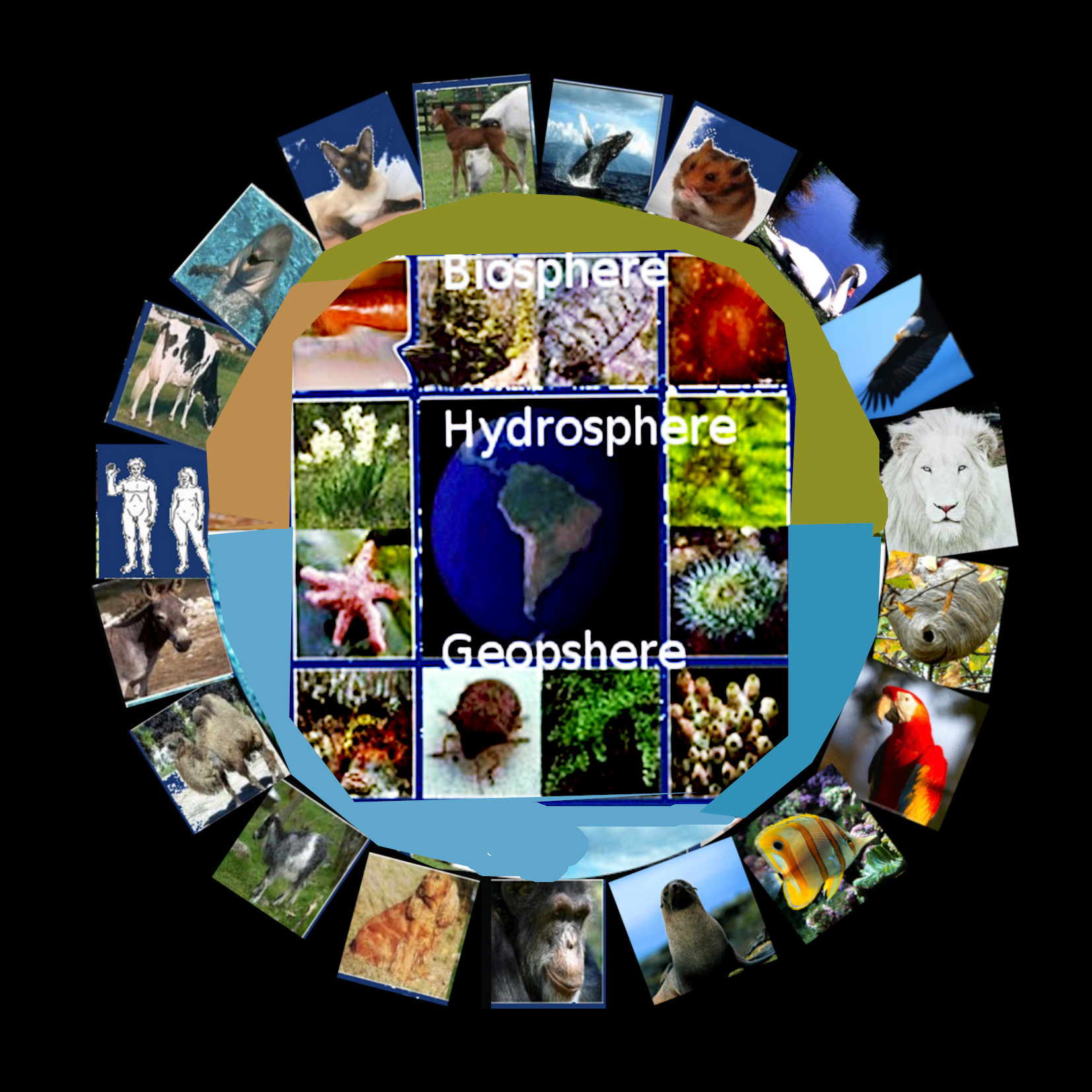
THE BIOSPHERE/ BIOSYSTEM Life Sciences
THE ASCENT OF EARTH, LIFE AND HUMANITY, 2012, EARTH
|
Time: |
Natureville |
Taxomic Classification |
Archaea |
Bacteria |
Plants Eukaryote |
Protista Euk |
Fungi Euk |
Animals Euk |
Mammal Euk |
Homo Euk |
A. Politics B. Lit. C Religion D. Art E. Music F. Science G. Daily Life |
|
Future |
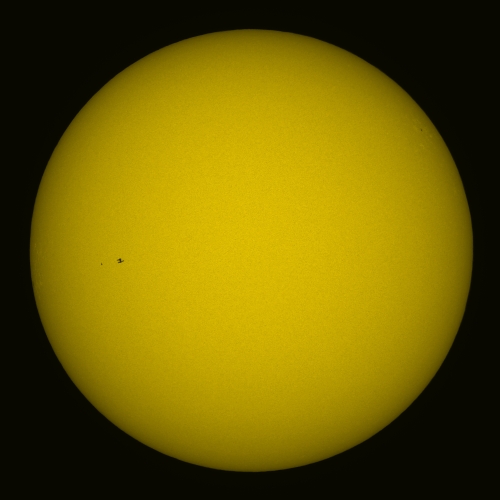
Venus Transit |
|
|
|
|
|
|
|
|
|
|
|
2010 CE/AD |
Lunar Eclipse on Winter Solstice |
|
|
|
|
|
|
|
|
|
|
|
1900 CE/AD |
|
Global Culture The Internet |
|
|
|
|
|
|
|
|
Space Exploration
|
|
1700 CE/AD |
Lunar Eclipse on Winter Sostice |
Geographic Culture |
|
|
|
|
|
|
|
|
India / Middle East/ European
African/ Chinese/ Native Ameri |
|
0030 CE |
|
|
|
|
|
|
|
|
|
|
Heliocentric Revolution |
|
3,000 BCE |
Frist Record Solar Eclip |
Sub-species: |
|
|
|
|
|
|
|
|
Homosp| Idaltu / Sapien |
|
150,000 BCE |
|
|
|
|
|
|
|
|
|
|
|
|
170,000 BCE |
|
Species |
|
|
|
|
|
|
|
|
Homo Sapien |
|
500,000 BCE |
|
|
|
|
|
|
|
|
|
|
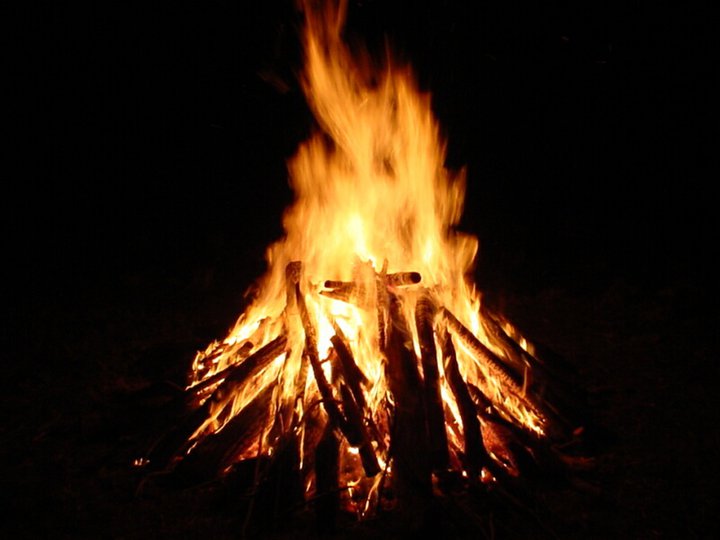
Fire |
|
|
|
Sub- Genus: |
|
|
|
|
|
|
|
|
Neanderthal/Cro-magnon |
|
|
|
Genus: |
|
|
|
|
|
|
|
Pan/Homo |
Homo |
|
|
|
Sub-Tribe: |
|
|
|
|
|
|
|
Hominina |
Hominina |
|
|
|
|
|
|
|
|
|
|
|
Bono/Pan |
|
|
2 Mil BCE |
|
|
|
|
|
|
|
|
|
|
|
|
6 Mil BCE |
|
Tribe: |
|
|
|
|
|
|
Hominini |
Hominini |
|
|
|
|
Super Family |
|
|
|
|
|
|
Great Apes |
|
|
|
50 Mil BCE |
|
|
|
|
|
|
|
|
|
|
|
|
|
|
Order: |
|
|
|
|
|
|
Primate |
Primate |
|
|
220 Mil BCE |
|
Class: |
|
|
|
|
|
|
Mammal |
|
|
|
350 Mil |
|
Super Class |
|
|
|
|
|
|
Tetrapoda |
|
|
|
|
|
Phylum: |
|
1866= |
Plantae |
|
|
|
Chordata |
|
|
|
|
|
Kingdom: |
|
2005= |
Archaeplas |
Protista |
Fungi |
Animal |
Animal |
|
|
|
|
Water Air |
|
|
|
|
|
|
|
|
|
Note; blue green algae is a microorganism not plant. |
|
|
Gravity |
|
|
|
Euk |
Euk |
Euk |
Euk |
Euk |
|
Euk |
|
2 Bil |
God Particle |
Domain: |
Archaea |
Bacteria |
Eukaryote |
|
|
|
|
|
|
|
5.5 Bil Sol |
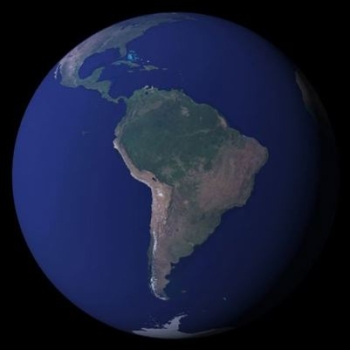
4.1 Bil Earth (Gaia) |
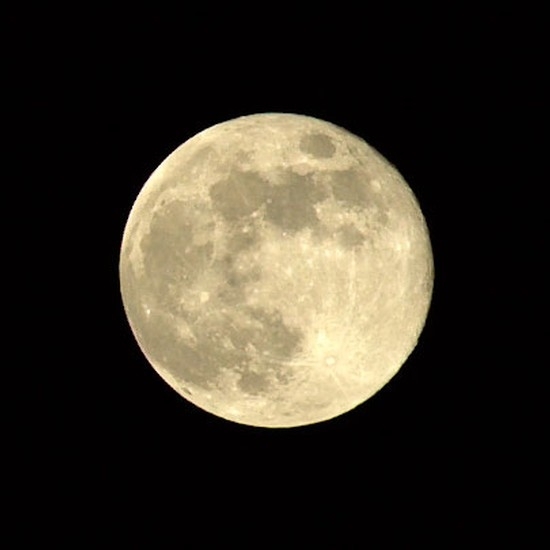
3.9 Bil Moon |
|
|
|
|
|
|
|
|
|
|
|
|
|
|
|
|
|
|
|
|
|
|




ECO WRITERS
|
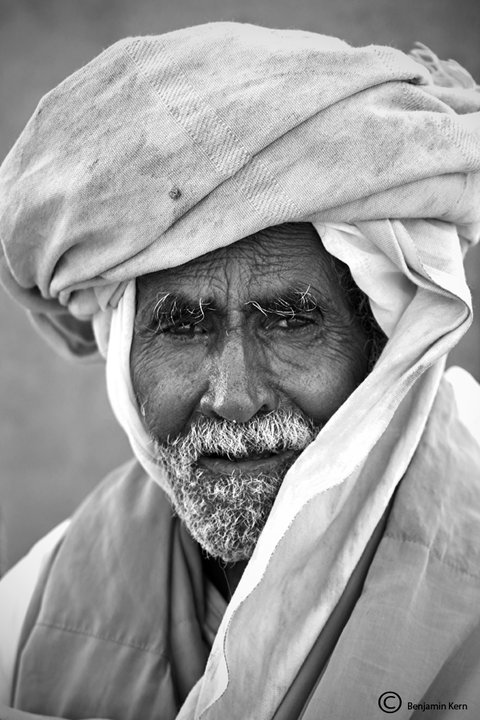
1. 100 BCE Lucretius Greek Poet 100 BC Poem “On the Nature of Things” Translated by W. E. Leonard NY USA © 1921/2004 ISBN # 0-486-43446-X and
2. 1500 The Green Bible NRSV 1500 AD/CE Green Letter Edition with Foreword by Desmond Tutu. Published by Harper One © 2008 HarperCollins Publishers USA ISBN # 978-0-06-1627996 |
|
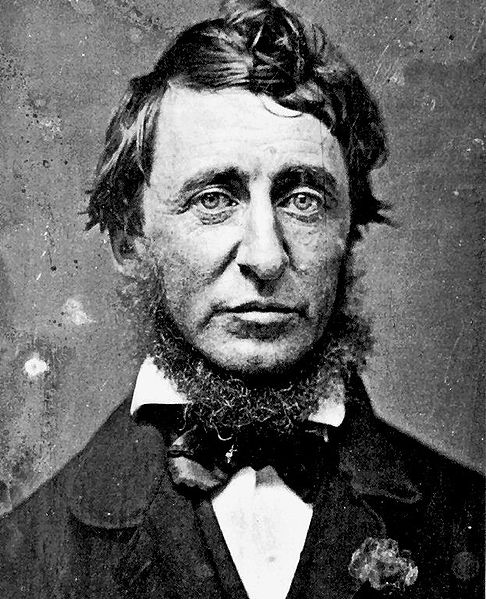 |
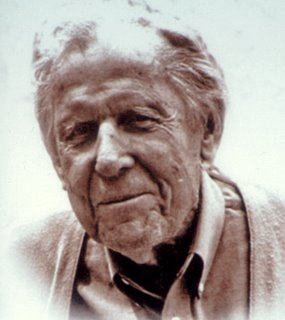
3. 1780 John James Audubon (1785-1851) USA nature and wildlife artist paints and Henry David Thoreau. (July 12, 1817– May 6, 1862) who was an American author, poet, naturalist, tax resister, development critic, surveyor, historian, philosopher, and leading transcendentalist. He is best known for his book Walden, a reflection upon simple living in natural surroundings, and his essay, Civil Disobedience, an argument for individual resistance to civil government in moral opposition to an unjust state. . . . |
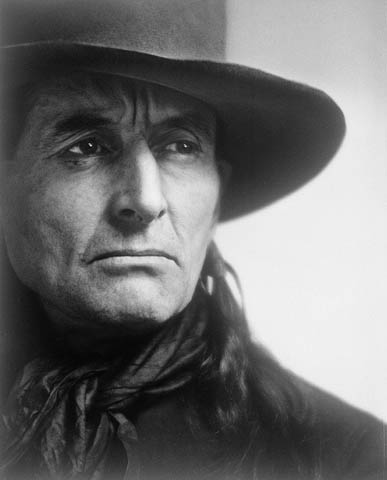 |
4. 1900 Grey Owl (or Wa-sha-quon-asin, from the Ojibwe wenjiganoozhiinh, meaning "great horned owl" or "great grey owl") was the name Archibald Belaney (September 18, 1888 – April 13, 1938) adopted when he took on a First Nations identity as an adult. A British native, he became a writer and one of Canada's first conservationists. Revelation of his origins after his death adversely affected his reputation for some time. Since the 1970s and at the centennial of his birth, there has been renewed public appreciation for his conservation efforts. Recognition has included biographies, a historic plaque at his birthplace, a 1999 film by Richard Attenborough, and a 2005 TV special about him. . |
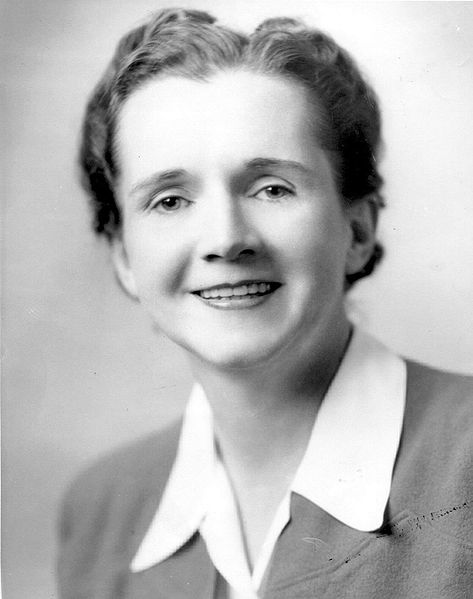 |
5. 1950 Rachel Louise Carson (May 27, 1907 – April 14, 1964) was an American marine biologist and nature writer whose writings are credited with advancing the global environmental movement. Carson started her career as a biologist in the U.S. Bureau of Fisheries, and became a full-time nature writer in the 1950s. Her widely praised 1951 bestseller The Sea Around Us won her financial security and recognition as a gifted writer. Her next book, The Edge of the Sea, and the republished version of her first book, Under the Sea Wind, were also bestsellers. Together, her sea trilogy explores the whole of ocean life, from the shores to the surface to the deep sea. Wrote Silent Spring. . . |
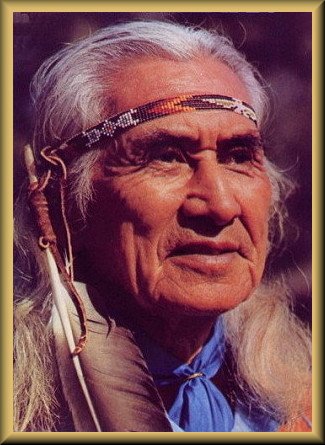 |
6. 1960 Chief Dan George, OC (July 24, 1899–September 23, 1981) was a chief of the Tsleil-Waututh First Nation, also known as the Burrard Band, a band government of a group of Coast Salish whose Indian Reserves are located on Burrard Inlet in North Vancouver, British Columbia. He was also an actor and an author. During his acting career, George worked to promote better understanding by non-aboriginals of the First Nations people. His soliloquy, Lament for Confederation, an indictment of the appropriation of native territory by white colonialism, was performed at the city of Vancouver's celebration of the Canadian centennial in 1967. This speech is credited with escalating native political activism in Canada, as well as touching off widespread pro-native sentiment among non-natives. . |
|
|
7. 1990 David Suzuki, 1949 - ? Japanese/Canadian genetic trained scientist and long time host of CBC Nature of Things program and advocate for nature and good science. 8. 2000 Fr. Thomas Berry, C.P. (November 9, 1914 – June 1, 2009) was a Catholic priest of the Passionate order, cultural historian and ecotheologian (although cosmologist and geologian — or “Earth scholar” — were his preferred descriptors). Among advocates of deep ecology and "ecospirituality" he is famous for proposing that a deep understanding of the history and functioning of the evolving universe is a necessary inspiration and guide for our own effective functioning as individuals and as a species. He is considered a leader in the tradition of Teilhard de Chardin. He received his doctorate in history from The Catholic University of America, with a thesis on Giambattista Vico's philosophy of history. He then studied Chinese language and Chinese culture in China and learned Sanskrit for the study of India. |
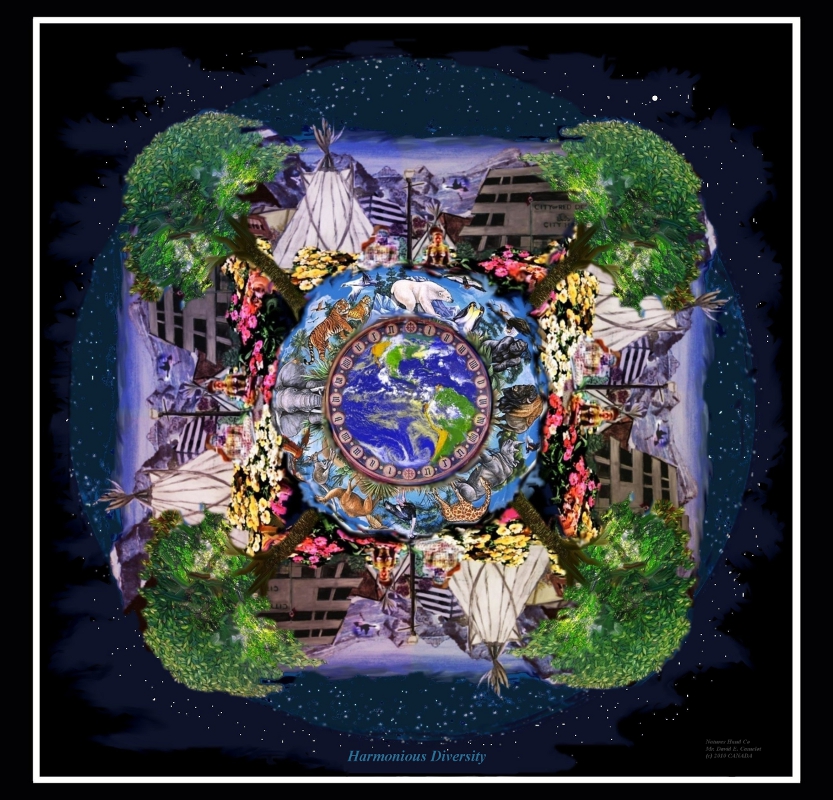
HARMONIOUS DIVERSITY
|
HARMONY
relationships.
|
|
DIVERSITY
di·ver·si·ty
(di-vur' si-te, di-)
n., pl. -ties.
1.
1. The fact or
quality of being diverse; difference.
2. A point or respect
in which things differ.
2. Variety or multiformity: “Charles
Darwin saw in the diversity of species the principles of evolution
that operated to generate the species: variation, competition and
selection” (Scientific American).
/////////////////////////////////////////////////////////////////////////////////////////////////////////////////////////////////////////////////////////////////////////////////////////////////////////////
March 25, 2007 Red Deer Saturday
Dear Editor of the Red Deer Advocate News Paper
This is just a follow up on a letter I wrote and you published on crops and global warming. I happened to come onto some info on the subject that may be of interest to your readers. Here is a short excerpt.
Crops feeling the heat
LIVERMORE, Calif. — Warming temperatures since 1981 have caused annual losses of roughly $5 billion for the major cereal crops, a study has found.
From 1981-2002, fields of wheat, corn and barley throughout the world have produced a combined 40 million metric tons less per year because of increasing temperatures caused by human activities.
“There is clearly a negative response of global yields to increased temperatures,” said David Lobell, a Lawrence Livermore National Laboratory researcher and lead author of the study that appears online March 16 in Environmental Research Letters. “Though the impacts are relatively small compared to the technological yield gains over the same period, the results demonstrate that negative impacts of climate trends on crop yields at the global scale are already occurring.”
The importance of this study, the authors said, was that it demonstrates a clear and simple relationship at the global scale, with yields dropping by approximately 3-5 percent for a one-degree Fahrenheit increase. “A key moving forward is how well cropping systems can adapt to a warmer world,” Lobell said. “Investments in this area could potentially save billions of dollars and millions of lives.”
Founded in 1952, Lawrence Livermore National Laboratory has a mission to ensure national security and apply science and technology to the important issues of our time. Lawrence Livermore National Laboratory is managed by the University of California for the U.S. Department of Energy's National Nuclear Security Administration.
For the full article here is the link link = http://www.llnl.gov/pao/news/news_releases/2007/NR-07-03-08.html
My letter was published on Thursday Feb. 8, 2007 Thanks for your time. AGJ /David Camelot Red Deer
FOOD AND AGRICUTURE
|
|
|
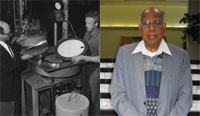 |
1. Sidney Loeb and Srinivasa Sourirajan. The UCLA scientists demonstrated seawater purification through reverse osmosis in 1949. The duo also invented reverse osmosis desalination at UCLA in the 1940s. Although reverse osmosis plants have to date primarily been built in Israel and the Middle East, expect to see more of them in Australia, South Africa, the Southwest and other dry and arid areas. One of the big complaints about reverse osmosis -- the high energy demands of the process -- are being ameliorated by companies like Energy Recovery. Statkraft in Norway has begun to experiment with techniques for using osmosis membranes for generating power at the seashore. |
 |
2. Simcha Blass. At a farmer's request, Blass investigated why a tree grew in dry soil. The cause: a broken pipe. The experience prodded him to invent drip irrigation. The industry of water conservation, slowly but surely, had begun. . . . . |
|
|
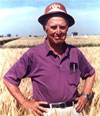
3. Norman Borlaug. The most controversial choice on the list. The plant scientist pioneered the techniques for breeding drought-resistant wheat and other crops. Mexico, India and other countries managed to become self-sufficient through the findings of his research, which has also been credited with helping to avert mass starvation and riots. Critics argue that the so-called green revolution in agriculture led to excessive use of nitrogen-based fertilizer and overpopulation. Many are trying to solve the fertilizer problem with biopesticides. Overpopulation? Borlaug argued that it was more likely caused by social forces rather than food supplies. VCs have recently begun to turn their attention to agriculture. |
|
|
4. ISSAC: Nasa , International Space Station Agriculture imaging camera |
Land Area and Food Subsistence Levels for Humanity 2012
Humans need to eat in order to maintain nutrient and energy levels for proper body metabolism and functions and to work, play and live on a daily basis.
Circa 10,000 BCE. The average human was said to require 4 hours a day in foraging, in an area of 2 sq. Miles to meet daily requirements.
Circa 2012 CE. Stats suggest the average human requires about 7 hours a day of labor, in an area of 0.76 sq Miles to meet average daily requirements.
See Data Below:
|
Item |
Quality |
Area Sq Miles |
Comment |
|
1. |
Total Area of the Earth |
196,940,000 sq. miles |
Total Land and water sq miles of the Earth. |
|
2. |
Total Water Area |
139,434,000 sq. miles |
Total Water Sq miles area of Earth |
|
3. |
Total Land Area |
57,506,000 sq. miles |
Total Land Sq. Miles area of Earth |
|
4. |
Total Arable Land Area of Earth (2008 FAO UN) |
5,330,199 sq. miles |
Total food producing land for humanity |
|
5. |
Total Human Population (2012) |
7,000,000 Billion Humans |
Number of people on the Earth in year 2012 |
|
6. |
Difference in Land area and times required. |
2sq miles (10,000 BCE) to 0.76 sq. miles (2012 CE) |
Increase in efficiency of amount of land required but requires more time to effect. 7 hrs per day (2012 CE) 4 hours per day (10,000 BCE) |
|
7. |
Arable Land Info |
|
Reports suggest that no new arable lands have been added globally since about 1970 and increases in food production has been a result of increase in crop yields. |
*** NOTE: It is said that 1 farmer used to feed 12 people circa 1940s, with the Agricultural Revolution and the use of fertilizers and pesticides 1 farmer is said now to be able to feed about 100 people equal to about a ten fold increase but said increase in yield is said to take a 50 fold increase in energy needs contained in the fertilizers thus the real increase in yield has only been about 1 farmer now feeding about 30 people if all factors considered in terms of physics.
|
|
|
|
LIFE SCIENCES
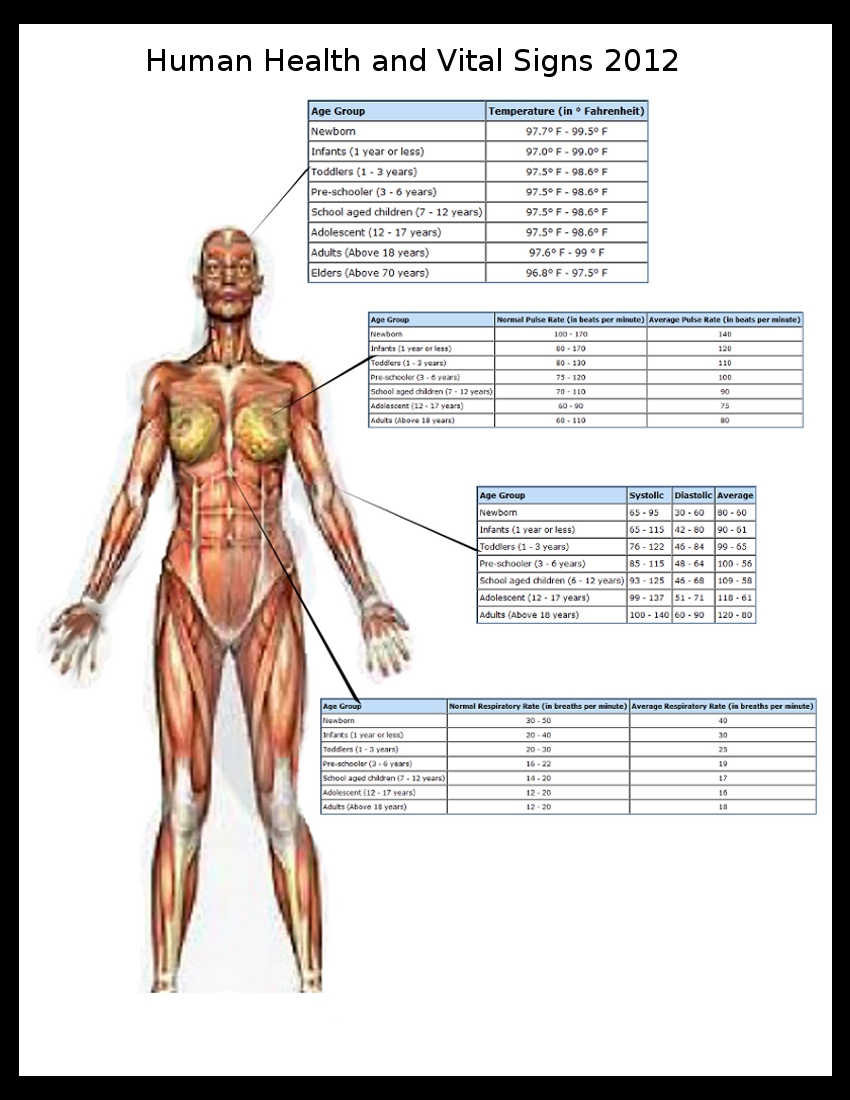
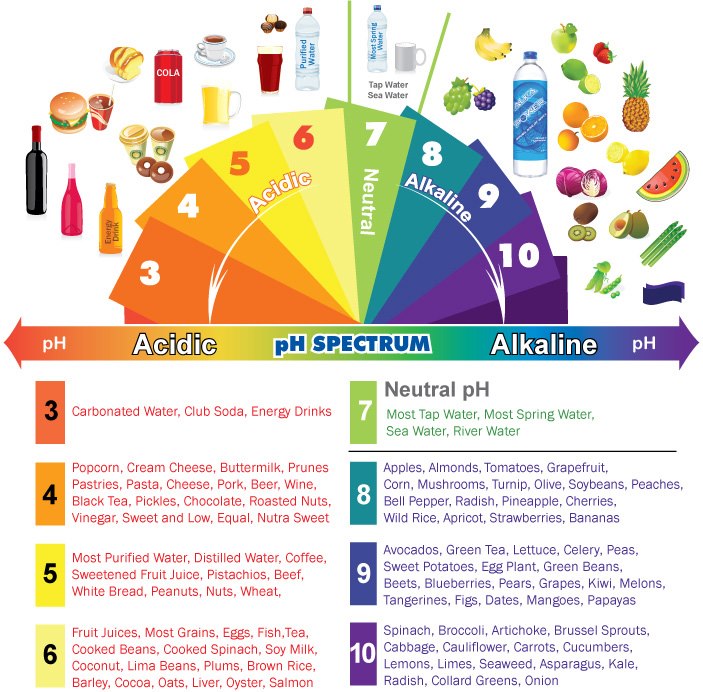
Notes: Children around 2 years old may need additional iron (though to much, is toxic) as cows milk does not contain iron, as human mothers milk does and both milks contain nutrients not found in other food sources and thus prevent starvation.
As well it is good to supplement Vitamin D and B12 sources in diet and take 1 aspirin per day for heart health. And regularly monitor and record your heart and blood pressure rates.
Also be aware of the benefits and good medicine of good food, rest and bathing and perhaps those in Northern climes utilize a SAD lamp to offset the downward mood swings brought on by diminished light in winter and by the aging process. Stem cell science offers promise for organ replacement & DNA regeneration ie: MS treatment
FLOWERS

HYDROSPHERE REFERENCE
“The oceans are probably about 3 billion years old but have
been greatly affected by photosynthetic life forms that arose from them.”
M. Beazley
|
|
|
|
|
|
|
WASTE AND WATER TREATMENT AND RESTORATION |
|
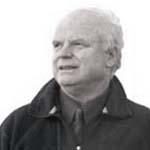
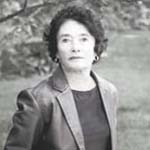
1. John & Nancy Todd. (1939 - ? ) Canadian EcoDesigners, Started the New Alchemists Institute in the 1970s, Did various waste treatment strategies with the United Nations, Started Ocean Arks waste treatment and restoration company. www.oceanarks.org . Wrote various books and magazines, Annals of the Earth, Did work on "living machines" 1994
|
The oceans have absorbed about 1 billion Hiroshima atom bombs of energy for human made sources since the 1970s according to NOAA data, this risks the collapse of the undercurrent in the Atlantic ocean. AMOC. Data indicates going to a 6 hour work day in dark winter hours might help mitigate global warming of air and oceans.
ref NOAA 2026